
How a three-person charity built its own members system
Daniel Xu runs NRCS on three full-time staff. After every software quote came back in the thousands, he built the members and volunteers system himself. Here is how it happened.
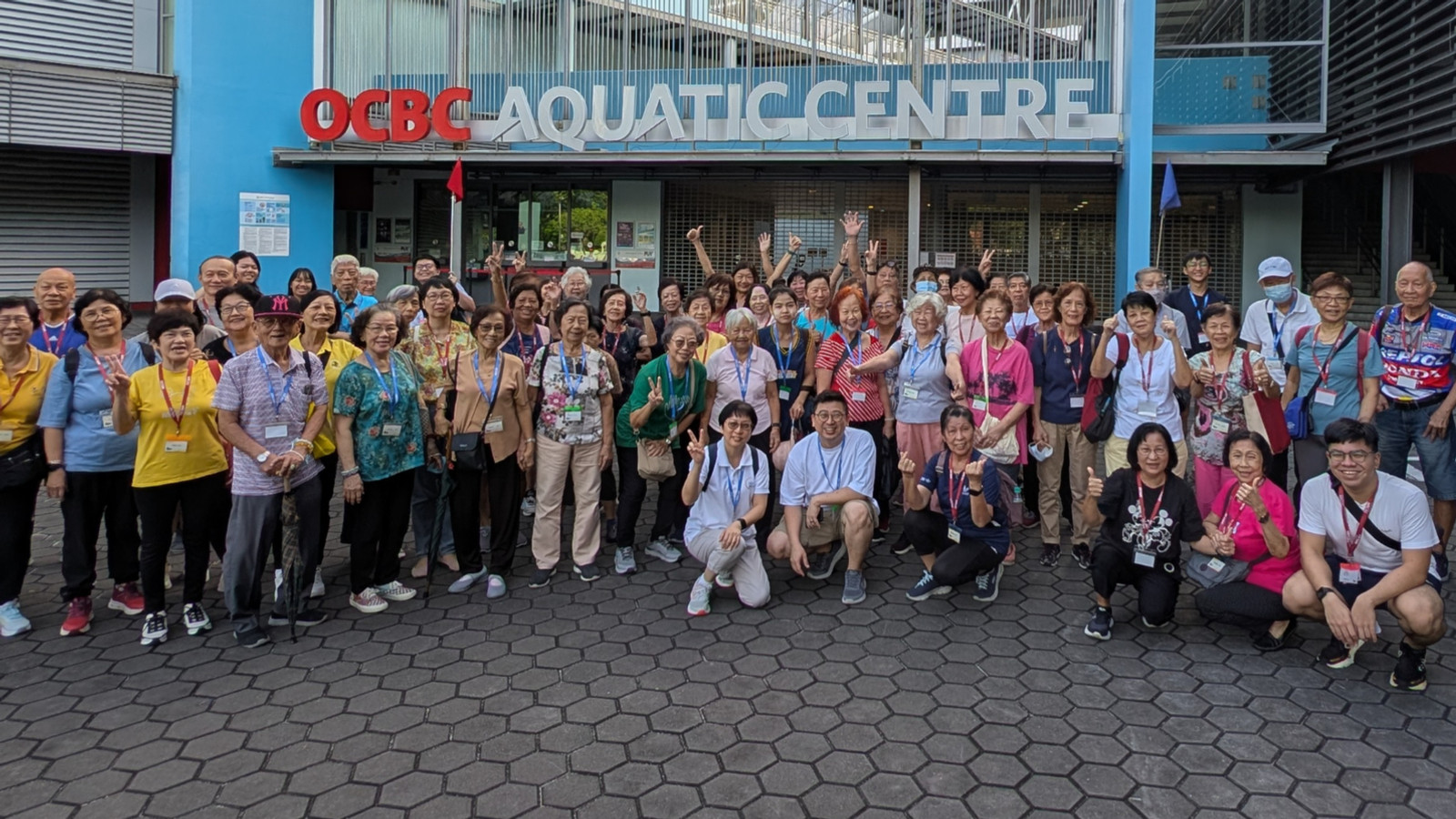
NRCS is a Singapore social service agency that runs on three full-time staff. Like most small charities, it works lean, and that shapes every tool decision it makes.
When Daniel Xu, who runs NRCS, went looking for a system to manage members and volunteers, nothing fit. Off-the-shelf systems was built for organisations many times its size. Custom builds were quoted at up to $30,000 before maintenance.
As a charity with only 3 full-time staff, we run on a budget that makes most off-the-shelf productivity systems a non-starter. Every system we explored came back with quotes in the thousands annually, 3 to 6 months of implementation, and features built for organisations ten times our size. Nothing fit. Nothing made sense.
So he built it himself.
A year of false starts
Daniel did not arrive at a working system overnight. He had been teaching himself to build software for about a year, and most of it, by his own account, led nowhere.
So I started vibe coding. I've been at it for about a year. Most of it went nowhere, honestly.
What changed was the planning, and most of that happened before we ever opened Claude Code. By the time Daniel came to us, he had already spent a couple of weeks writing his plan: how NRCS actually runs its programs, and what its members and volunteers data needed to do. In the session we set him up on Claude Code, worked through that plan with him, and pressure-tested it until it held.
That groundwork is the reason the build itself took a single evening. Once the plan was right, the system came together in a few hours, shaped around the way NRCS works instead of forced into someone else's template.
This is the part most people get backwards. The build is the easy part. The planning is the work.
In three weeks of spare time and a bit of help (thanks, Gerald Ho), I had a working members and volunteers management system. We went live. We've been running on it for almost two months now.
The part nobody warned him about
Going live solved the operational problem. Then the data started talking.
One month of clean records did something Daniel did not expect. It challenged assumptions he had held for years about how his community actually engages.
Then one month of clean data quietly dismantled assumptions I'd held for years about how our community actually engages. Who shows up. When. Why. Patterns I thought I understood turned out to be guesswork dressed up as experience.
That's the Pandora's box moment nobody warned me about. You start trying to solve an operational problem. You end up with a mirror.
That is the part you cannot buy off a shelf. A system shaped around how you actually work hands you back questions you did not know you could ask.
Why this matters for small charities
Daniel's takeaway runs bigger than one CRM.
I think we're at the beginning of something significant for small charities. AI isn't just a productivity tool. It's a leveller. A small SSA can now build what it actually needs, own its own data, and ask questions it never had the infrastructure to ask before. I'm excited what else we could build to help us focus on serving our beneficiaries better tomorrow.
A three-person charity now runs on software it owns, built around its own work, for a fraction of what the vendor quotes asked. When the work changes, the system changes with it. And it can put questions to its own data that used to need infrastructure it could never afford.
That is the case we make to everyone we work with. You do not need a big budget or a developer on staff. You need a clear problem and a few focused hours, with someone to get you over the first hill.
Daniel first shared this on LinkedIn. You can read his original post here. You can also learn more about his work at nrcs.sg.
If you are weighing similar questions for your own organisation, book a 1:1 session and bring a real problem. We work through it together.